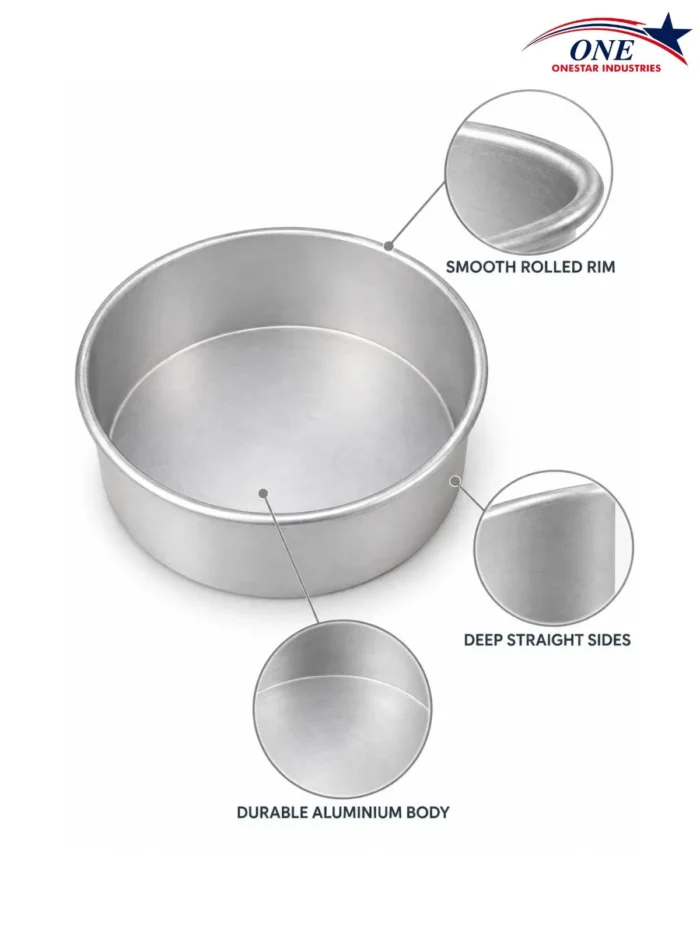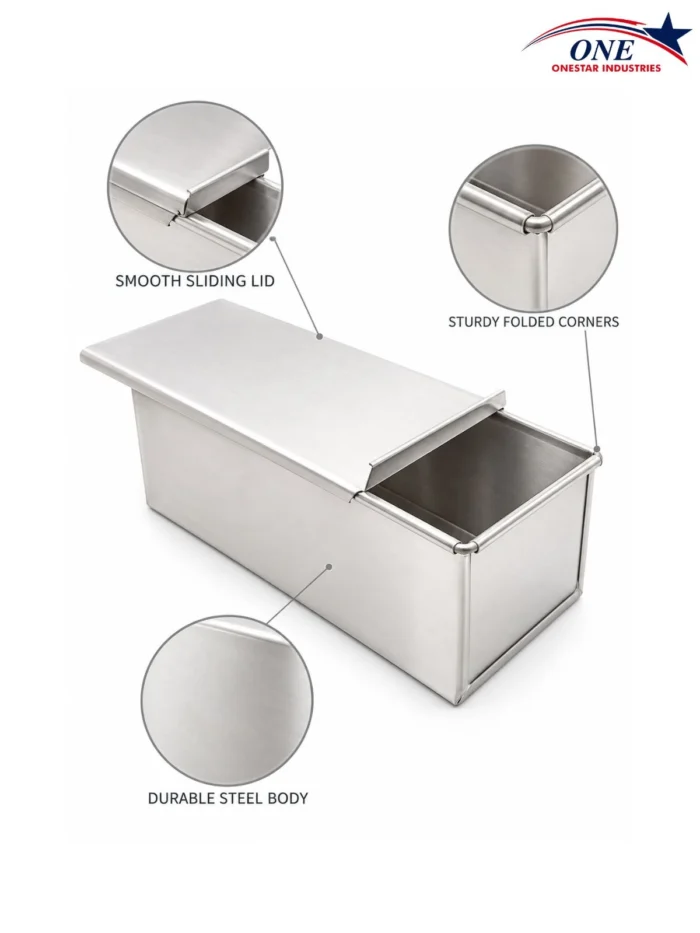
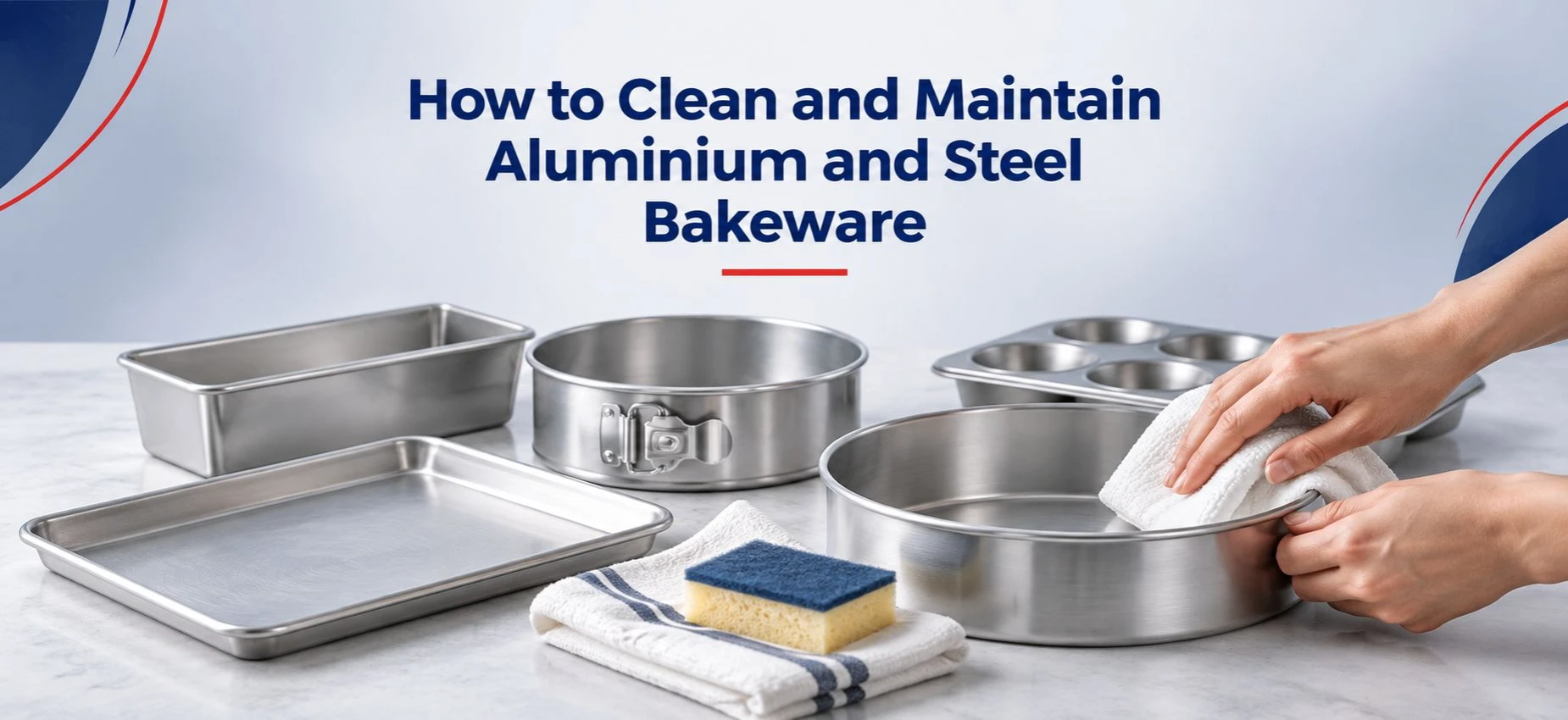
Cake tins, bread moulds, and baking trays are used repeatedly in home kitchens and bakeries. Giving them the right care helps keep them clean, protects their surfaces, and makes them ready for the next batch.
Both aluminium and steel bakeware benefit from regular cleaning and careful storage. The correct method depends on the material, surface finish, and construction of each product.
Start with the Product’s Care Instructions
Before cleaning a new tin or tray, check the manufacturer’s instructions. Bakeware that looks similar may need different treatment.
Aluminium may be plain, anodized, or coated. Steel bakeware may be stainless steel, carbon steel, or coated steel. Instructions for soaking, dishwasher use, and seasoning can differ between these products.
Keep the care information available, especially in a bakery where several people handle the same equipment.
Allow Bakeware to Cool Before Washing
After baking, place your tin or tray on a suitable heat-resistant surface and allow it to cool before cleaning.
Avoid putting hot bakeware directly into cold water. A sudden temperature change can cause the metal to warp, leaving the base uneven.
Once the bakeware has cooled enough to handle safely, remove loose crumbs and leftover food before washing.
Use a Gentle Everyday Cleaning Method
For routine cleaning, use warm water, mild dishwashing liquid, and a soft sponge.
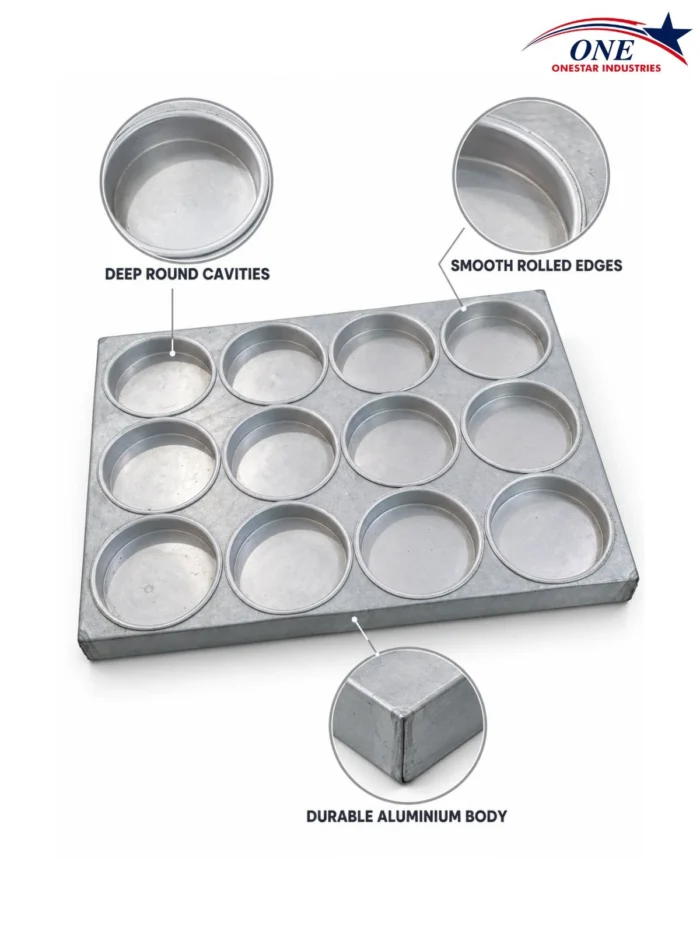
Clean the inside, outside, corners, and edges of the tin. Pay attention to areas where grease or batter can collect, including the spaces around removable bases and the rims of muffin cavities.
Rinse thoroughly to remove detergent, then dry the bakeware with a clean cloth.
A simple cleaning routine:
Allow the tin or tray to cool.
Remove loose crumbs and food residue.
Wash gently with mild detergent.
Rinse thoroughly.
Dry completely before storage.
How to Care for Aluminium Bakeware
Aluminium cake tins and trays should be cleaned with products suitable for their surface.
Hand washing is a sensible default unless the manufacturer confirms that dishwasher cleaning is suitable. Strong dishwasher detergents can discolour aluminium.
Use a soft sponge rather than an abrasive pad, and avoid scraping the surface with knives or other sharp tools.
Dealing with Marks and Discolouration
A change in appearance does not always mean the tin needs replacing. However, cleaning methods should still match the finish.
For persistent marks, check the manufacturer’s recommended method or use a cleaner specifically labelled as suitable for that type of aluminium. Avoid applying strong homemade cleaning mixtures without checking compatibility.
After cleaning, rinse and dry the tin thoroughly.
How to Care for Steel Bakeware
The word “steel” covers several materials, so check the product description before choosing a cleaning method.
Stainless Steel
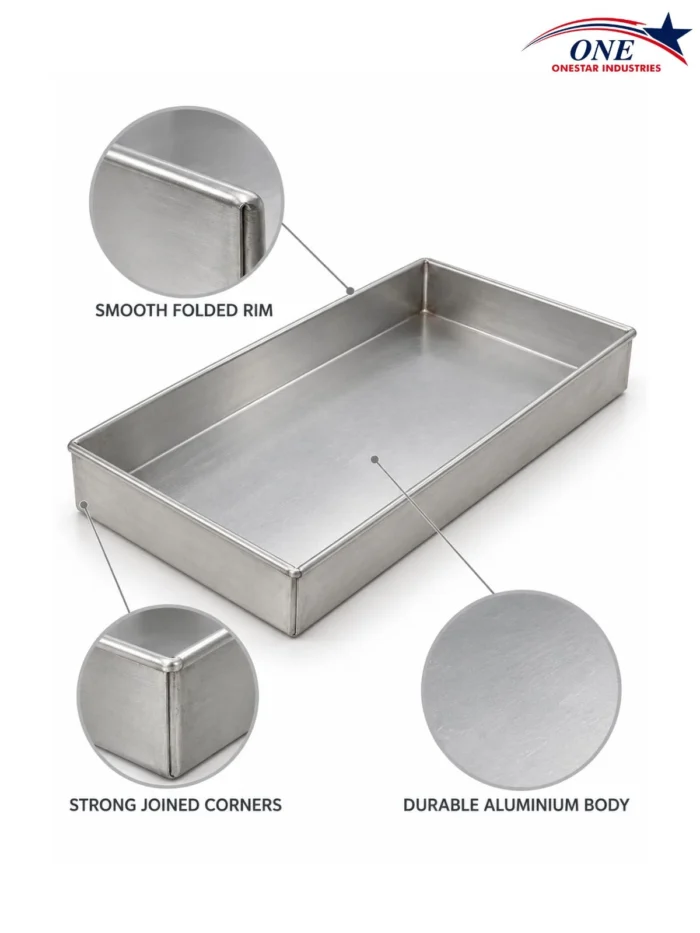
Wash stainless steel bakeware with mild detergent and a soft sponge. Rinse well and dry thoroughly, paying attention to corners, seams, and folded edges.
If food remains stuck, use a cleaning method approved for the product instead of scraping aggressively.
Uncoated Carbon Steel
Uncoated carbon steel needs particular attention to drying because moisture can encourage rust.
Some products require seasoning or a light protective coating of oil. Follow the manufacturer’s instructions for your specific tin rather than applying this treatment to every steel product.
Coated Steel
For coated steel tins, protect the coating during cleaning and use. Avoid abrasive scrubbers and sharp utensils unless the manufacturer specifically allows them.
Inspect the surface regularly for peeling or flaking. If the coating is damaged, stop using the item and check the manufacturer’s replacement guidance.
Remove Stuck-On Batter Without Scraping
Dried batter and baked-on residue can be difficult to remove from corners and cavities. Start with a gentle cleaning method.
If the product permits soaking, use warm soapy water to soften the residue before wiping it away. Avoid prolonged soaking, particularly with rust-prone steel or products whose instructions advise against it.
A soft brush can help reach grooves and narrow areas. Do not force residue off with a knife, as this can scratch the surface or damage a coating.
Give Detailed Moulds Extra Attention
Some bakeware has more areas where food can collect.
| Bakeware | Areas to Check |
|---|---|
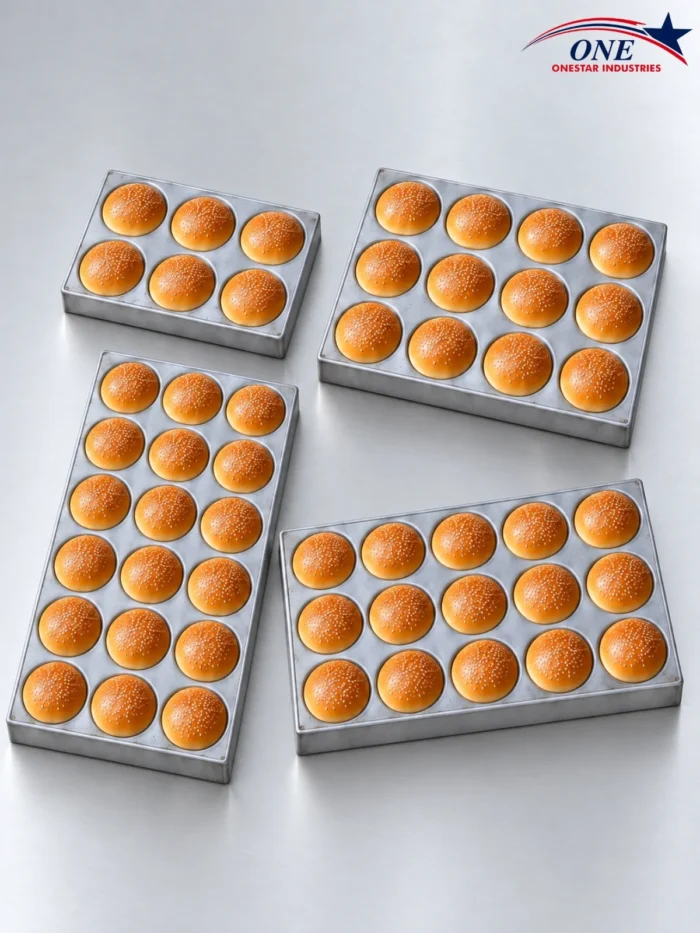
| Muffin and cupcake trays | Cavity edges and the spaces between cups |
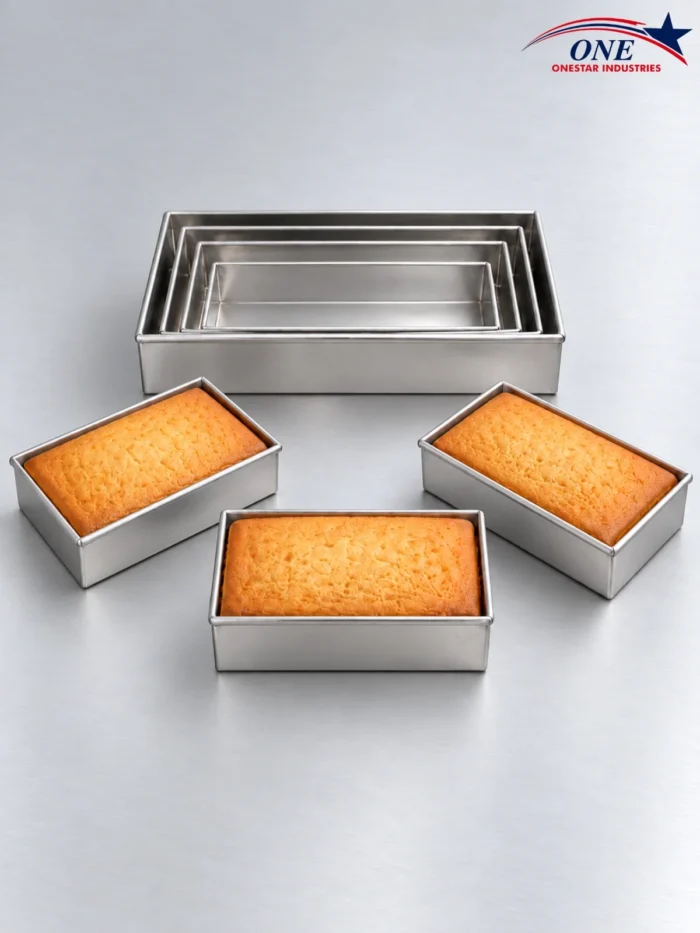
| Bread moulds | Corners, seams, and lid channels |
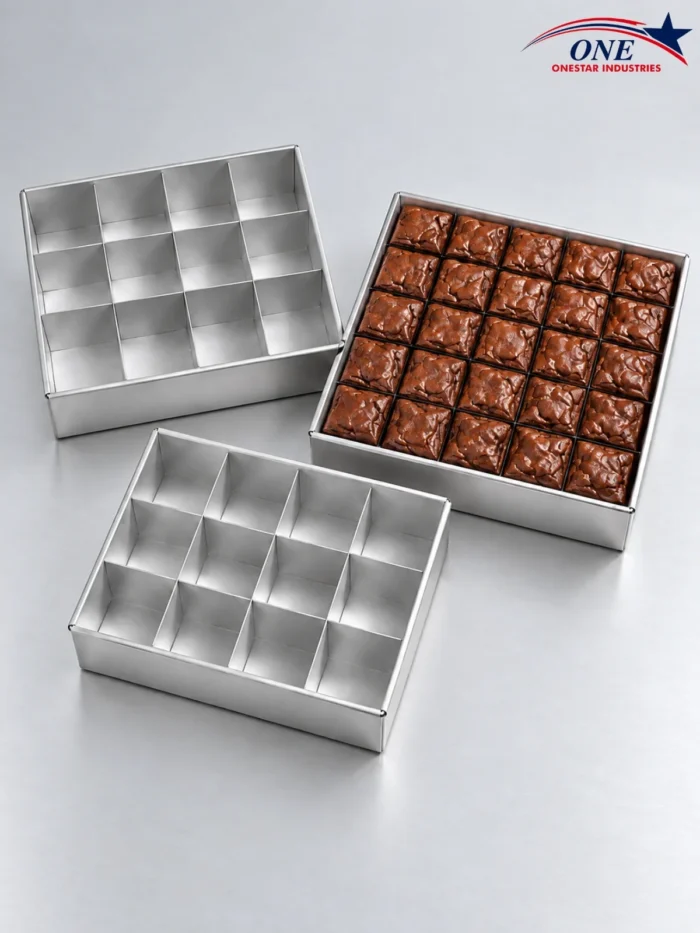
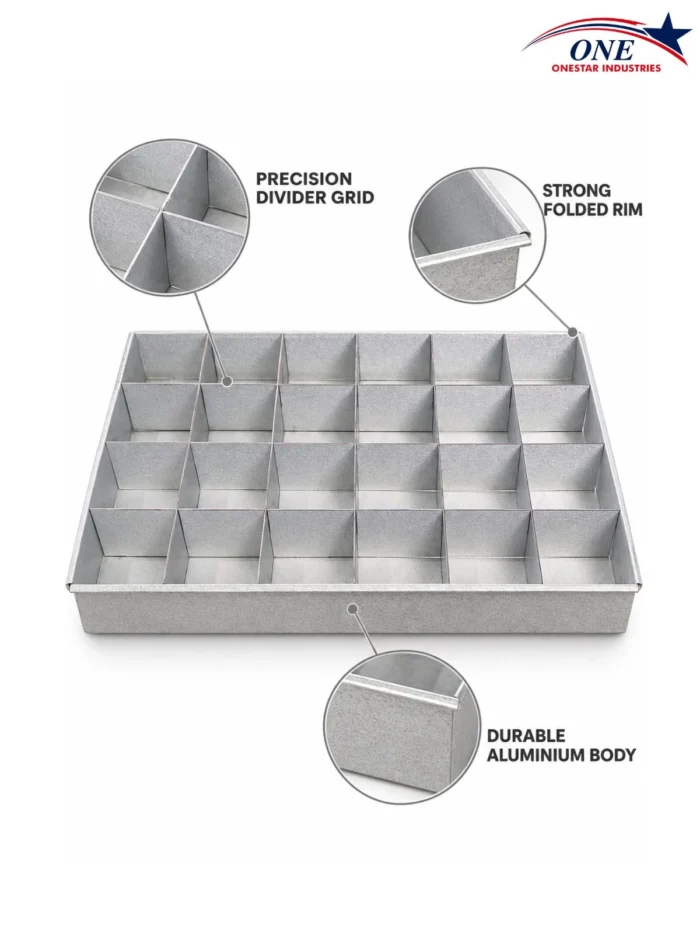
| Brownie cutter trays | Grid intersections and divider edges |
| Loose bottom tins | Base edges and the groove where the base sits |
| Tart moulds | Fluted sides and grooves |
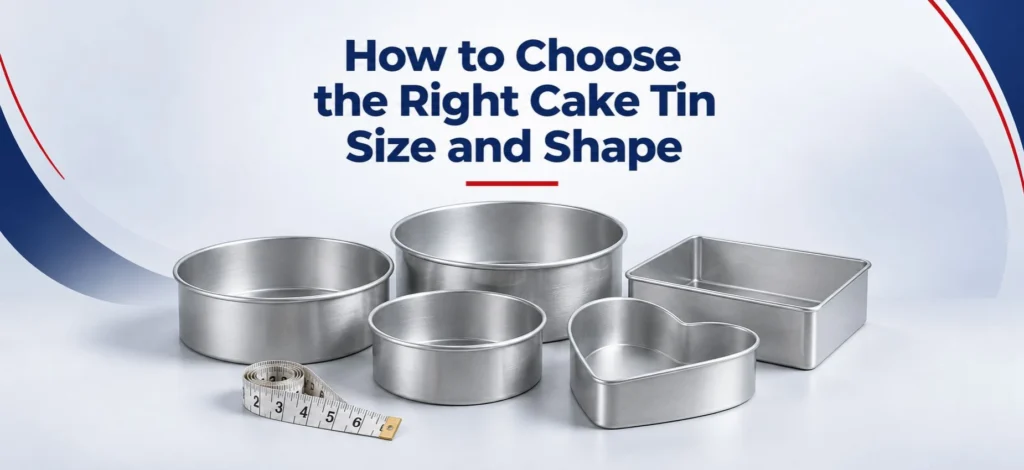
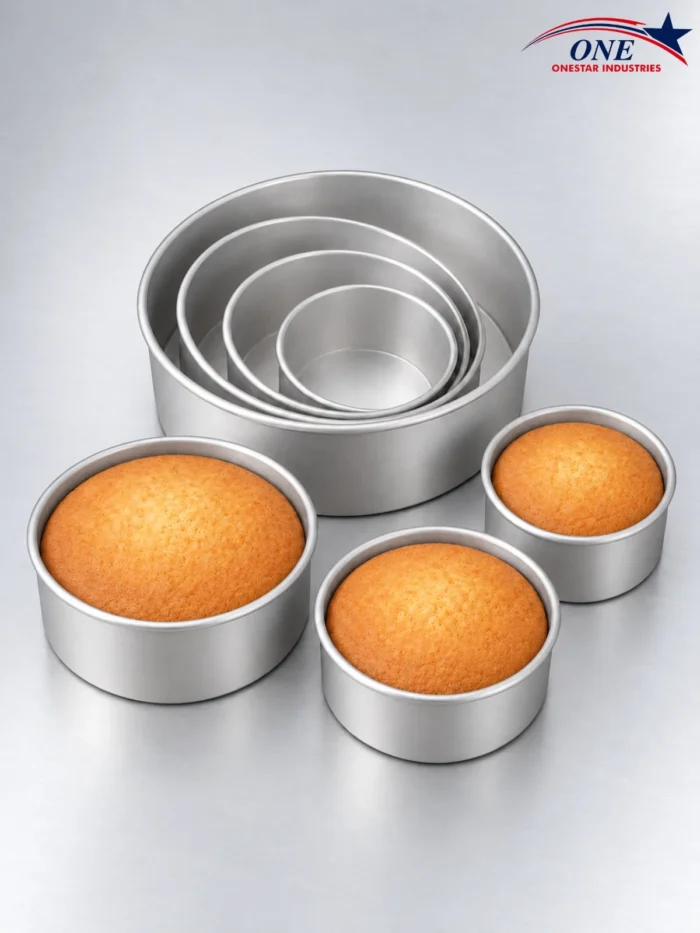
| Shaped cake tins | Narrow curves, corners, and detailed sections |
Remove detachable parts only as intended by the product design. Wash and dry them separately so that trapped moisture does not remain between components.
Dry Thoroughly Before Storing
Drying is an important part of the cleaning process. Water can remain around rims, seams, and removable parts even when the main surface looks dry.
Use a clean cloth to remove moisture, then allow any remaining water to dry before stacking the bakeware.
For steel products that require seasoning or oiling after cleaning, complete that step according to the manufacturer’s instructions.
Store Tins and Trays Carefully
Choose a clean, dry storage space where bakeware can be lifted out without bending or scraping it.
When nesting tins, make sure they fit comfortably. Avoid forcing one tin inside another, as this can damage rims and make separation difficult.
Place a clean, soft protective layer between surfaces that could scratch, especially coated bakeware. Keep removable bases and lids with their matching tins.
For a bakery, arranging bakeware by shape and size can make preparation easier and reduce unnecessary handling.
Avoid These Common Care Mistakes
Washing Hot Trays Immediately
Allow bakeware to cool before washing to reduce the risk of warping from sudden temperature changes.
Using Sharp Tools to Remove Food
Use suitable cleaning tools and soften residue where permitted. Scraping with a knife can damage the surface.
Assuming Every Tin Is Dishwasher-Safe
Check the manufacturer’s instructions for the material and finish before using a dishwasher.
Stacking Damp Bakeware
Dry each item completely before nesting or stacking it.
Treating All Steel Products the Same
Stainless steel, carbon steel, and coated steel may need different care routines.
Check Bakeware Before Each Use
Take a moment to inspect your tins and trays before preparing a batch.
Look for loose seams, sharp edges, significant rust, damaged coatings, or a warped base that no longer sits securely. Check that removable bases and lids fit properly.
If damage affects safe handling, cleaning, or normal use, replace the item or ask the manufacturer for guidance.
Make Bakeware Care Part of Your Baking Routine
A consistent routine makes cleaning easier to manage. Remove residue after each use, clean with suitable products, dry thoroughly, and return each item to its storage place.
In a bakery, share these instructions with everyone who handles the equipment. Clear care routines help keep aluminium and steel bakeware ready for regular production.
Explore Bakeware at One Star Industries
One Star Industries offers aluminium and steel cake tins, bread moulds, baking trays, and specialty moulds for home bakers and baking businesses.
Contact us for product details, care guidance, and retail or wholesale enquiries.
Website: www.onestarindustries.com
WhatsApp: +91 99442 38166
Call: +91 63838 79002